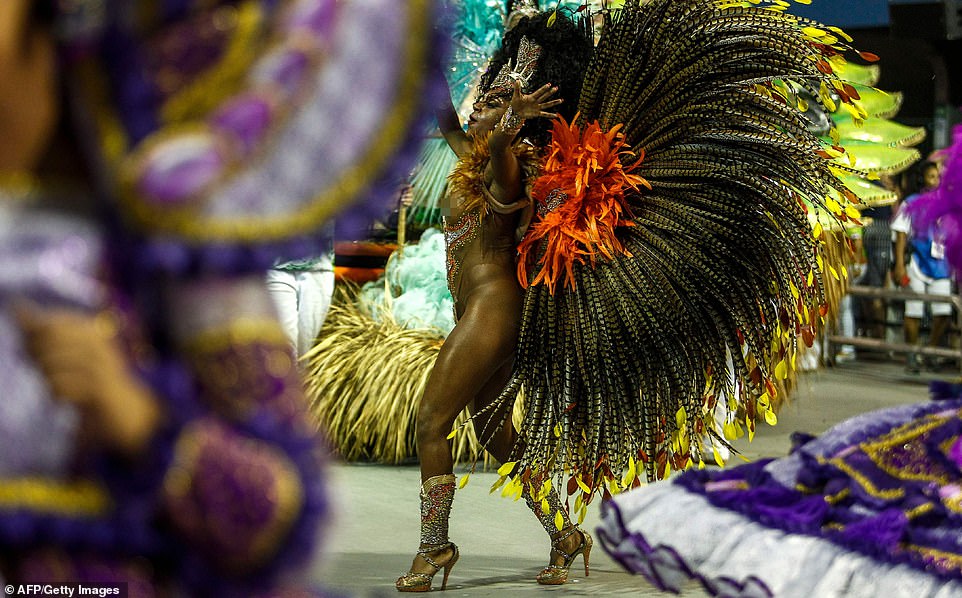
São Paulo, Brazil’s largest and most vibrant city, transforms into a kaleidoscope of color, music, and celebration during Carnaval. For women, the experience is both exhilarating and complex—a mix of joy, cultural pride, and the challenges that come with navigating public spaces during one of the country’s most high-energy events.
The Magic of Carnaval
For many women, Carnaval in São Paulo is an empowering and liberating experience. The city’s blocos de rua (street parties) fill the streets with samba, glitter, and an overwhelming sense of unity. Women embrace the spirit of the festival, wearing dazzling costumes, dancing freely, and expressing themselves without restraint. The energy is electric, and there is a powerful sense of sisterhood as groups of women take to the streets together, singing and celebrating their identities.
Challenges and Realities
However, Carnaval also exposes deep-rooted gender issues that persist in Brazil. Street harassment is a major concern, as the festive atmosphere often emboldens some men to ignore boundaries. Many women report unwanted touching or aggressive advances, highlighting the ongoing struggle for respect and bodily autonomy in public spaces. Despite awareness campaigns like Não é Não (“No Means No”), which aims to combat harassment during Carnaval, the problem remains prevalent.
Women Taking Back the Streets
In recent years, there has been a growing movement of feminist blocos that center on female empowerment and safety. Groups like Bloco Pagu and Mulheres Rodadas reclaim Carnaval as a space for joy and resistance, using music and performance to challenge misogyny. More women are also sharing their experiences on social media, raising awareness and demanding change.
A Celebration of Resilience
Being a woman in São Paulo during Carnaval means experiencing the best and worst of the city—its contagious joy, cultural richness, and moments of discomfort. But above all, it is a testament to resilience. Women continue to celebrate, dance, and reclaim their right to enjoy one of Brazil’s most beloved traditions without fear. Carnaval is not just a party; for many women, it is also an act of defiance, strength, and self-expression.
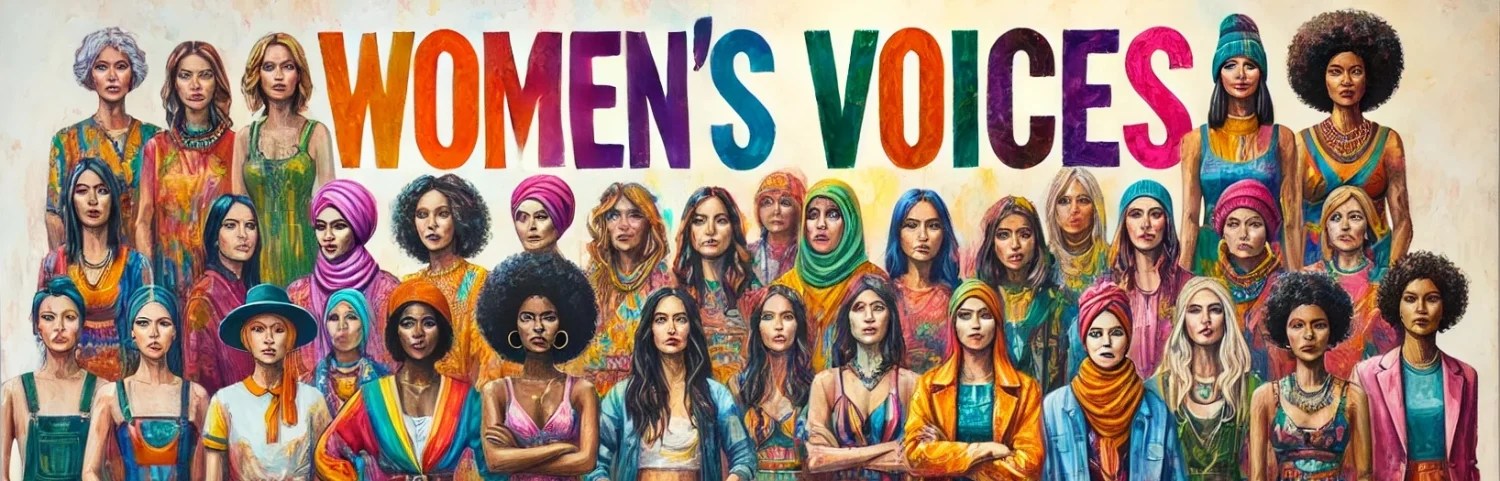
 Women's voices