Cape Town, with its breathtaking landscapes and deep historical roots, is a city of contrasts. It carries the weight of apartheid’s legacy while striving toward a more inclusive future. For a Black woman, living in Cape Town is a complex experience—one shaped by culture, resilience, and the persistent realities of racial and gender inequality.
Navigating the City’s Divides
Cape Town remains one of the most racially segregated cities in South Africa. Wealth and privilege are often concentrated in predominantly white neighborhoods like Camps Bay and Constantia, while many Black women continue to live in under-resourced townships such as Khayelitsha and Gugulethu. The city’s economic and spatial divides mean that opportunities for education, employment, and safety are not equally accessible.
Black women in Cape Town often face discrimination in both professional and social spaces. In corporate settings, they may be overlooked for promotions or expected to work twice as hard to be recognized. In social settings, they often experience racial microaggressions, from being questioned about their presence in certain spaces to being stereotyped based on their appearance or accent.
Beauty Standards and Identity
Western beauty standards continue to dominate in Cape Town’s media and fashion industries. Black women frequently face pressure to conform—whether through skin-lightening treatments, relaxed hair, or specific dress codes that cater to Eurocentric ideals. However, in recent years, there has been a powerful movement toward self-love and embracing natural beauty. The natural hair movement, for example, has gained momentum, with more women proudly wearing their afros and braids despite workplace discrimination.
Safety and Gender-Based Violence
South Africa has one of the highest rates of gender-based violence (GBV) in the world, and Black women are often the most vulnerable. Walking alone at night in Cape Town can be dangerous, and many women live with the daily fear of harassment or worse. Movements like #AmINext and organizations like the Rape Crisis Cape Town Trust have worked tirelessly to fight for justice, but systemic change remains slow.
Strength and Resilience
Despite these challenges, being a Black woman in Cape Town is also a story of strength, culture, and sisterhood. The city’s Black female entrepreneurs, activists, and artists are reshaping narratives, reclaiming spaces, and creating opportunities for future generations. Women-led businesses, feminist collectives, and social movements continue to rise, challenging the status quo and demanding a more inclusive society.
Cape Town may still carry the scars of its past, but its Black women are at the forefront of change—turning struggle into strength and reclaiming their rightful place in the heart of the city.
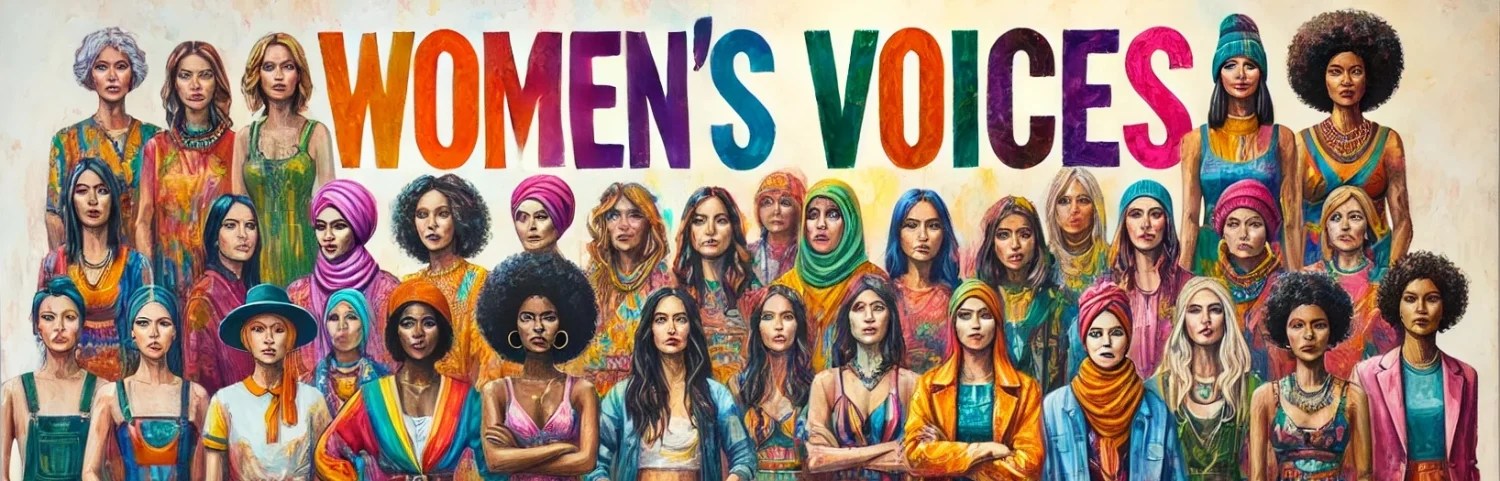
 Women's voices