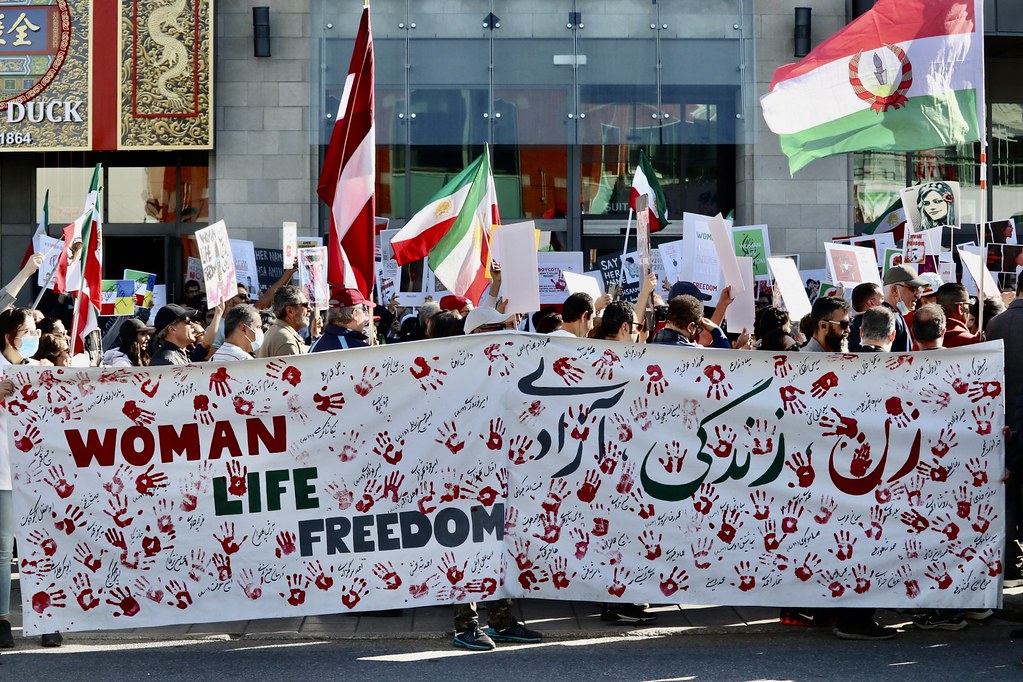
I remember the moment I first saw those words—Jin, Jiyan, Azadi. Women, Life, Freedom. It wasn’t just a chant; it was a battle cry echoing through the streets of Iran, carried by the voices of those who refused to be silenced. It was the sound of a revolution, of women risking everything for dignity, autonomy, and a future where their existence would not be policed by the state.
The protests ignited in September 2022 after the death of Mahsa Amini, a young Kurdish woman detained by Iran’s so-called “morality police” for allegedly wearing her hijab improperly. She never made it out alive. The news of her brutal death spread like wildfire, and with it, the rage of millions. But this time was different. This wasn’t just another protest—it was a movement led by women, by young girls burning their hijabs, by men standing beside them in defiance. It was a call to dismantle a system that had long suppressed, humiliated, and controlled them.
The Cost of Defiance
Every act of rebellion in Iran comes with a price. I watched as videos surfaced of young women standing defiantly in front of riot police, only to be beaten, arrested, or worse. The regime responded with its usual brutality—tear gas, live ammunition, mass arrests, executions. Families were shattered, homes raided, streets painted with the blood of those who dared to dream of freedom.
Yet, despite the terror, they did not back down. In schools, young girls tore images of the Supreme Leader from their textbooks. In metro stations, women removed their headscarves, passing them around as a symbol of defiance. The courage was relentless, even as the state attempted to erase their resistance through internet blackouts and propaganda.
Watching from Lebanon: A Personal Reckoning
As an Iranian living in Lebanon, I have felt every moment of this uprising with a mixture of grief and helplessness. Lebanon is no stranger to resistance, to protests against corruption and oppression. Here, I have seen echoes of the same frustration, the same longing for freedom. Yet, being away from Iran, I am plagued by guilt—guilt for my safety, for my ability to walk freely without fearing the morality police, for not standing beside my sisters in the streets of Tehran, Shiraz, and Sanandaj.
But more than that, I feel an overwhelming responsibility. To listen. To amplify. To make sure their voices are heard beyond the borders that tried to contain them. The fight for Jin, Jiyan, Azadi is not just Iran’s fight—it is a universal struggle against tyranny, against oppression, against a system that seeks to control women’s bodies and silence their voices.
The Future of the Movement
The Iranian government has tried to crush the uprising, but they have already lost in one crucial way: the fear is gone. The people of Iran, especially the women, have seen a glimpse of what could be, and they refuse to go back. Even in the face of executions and repression, the fire lit by Mahsa Amini’s death continues to burn.
What happens next is uncertain. But one thing is clear—this is not the end. The women of Iran have drawn a line in the sand, and no matter how many walls the regime builds, no matter how many voices it tries to silence, the chant will continue: Jin, Jiyan, Azadi.
Women. Life. Freedom.
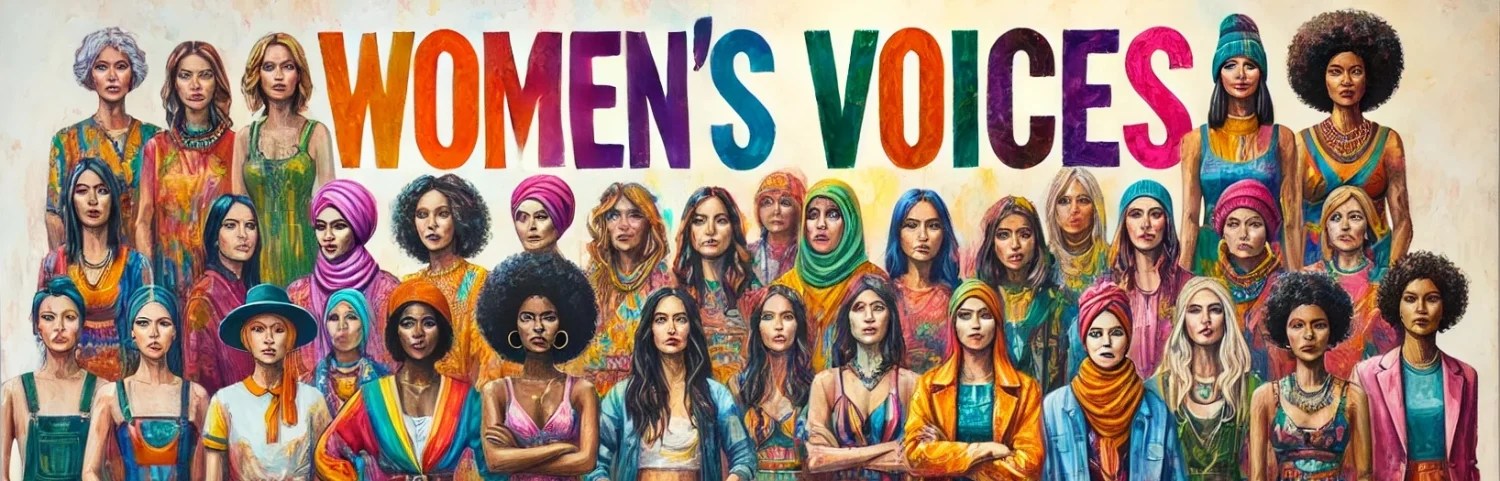
 Women's voices