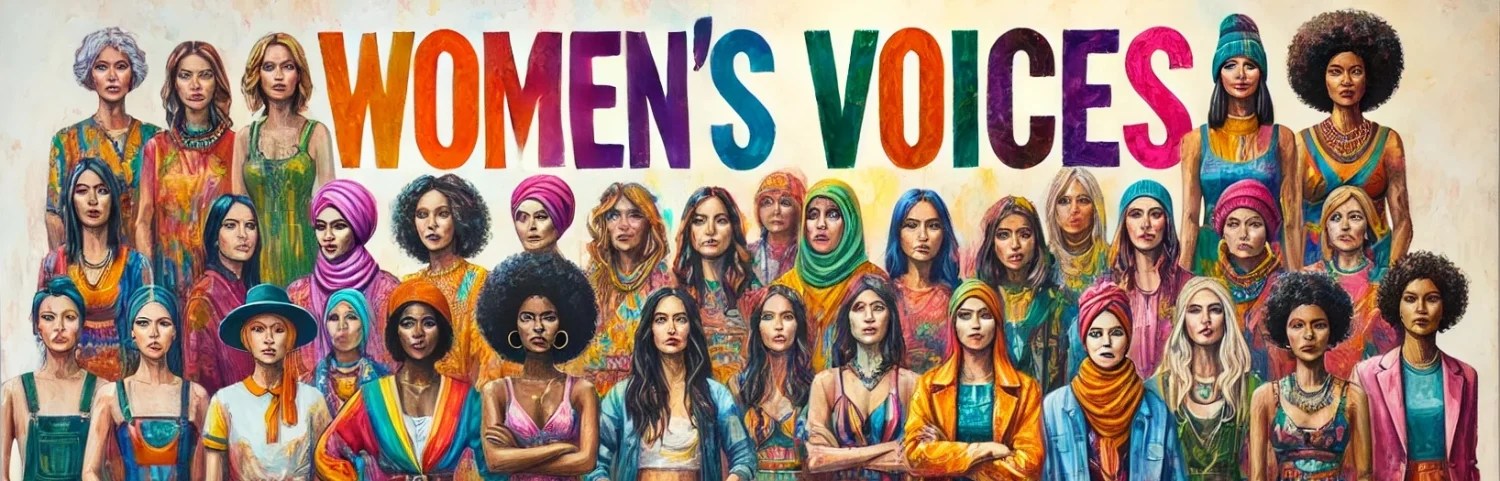

For over three decades, China’s One-Child Policy, introduced in 1979, shaped the lives of millions of families across the country. Initially implemented as a response to the country’s rapid population growth, it aimed to limit the number of children a family could have to ensure a more sustainable future. Despite being officially lifted in 2016, the policy’s legacy remains deeply woven into the fabric of Chinese society, particularly for women, who were the policy’s most directly affected group.
The Policy’s Strain on Women’s Reproductive Rights
The One-Child Policy placed immense pressure on women, who bore the responsibility of family planning in a deeply patriarchal society. Though it was justified by the government as a way to improve economic conditions and control population growth, it often disregarded women’s rights and autonomy. Women, especially in rural areas, were frequently subjected to coercive measures, including forced abortions and sterilizations, as the government imposed strict compliance.
The policy limited women’s reproductive choices, pushing them into roles defined by state-imposed regulations. These policies undermined women’s agency and personal decision-making when it came to childbirth. Moreover, the weight of enforcing this policy often fell on women’s shoulders, as men were rarely subjected to the same level of scrutiny or penalties.
Gender Imbalance and the Rise of “Missing Women”
One of the most significant consequences of the One-Child Policy has been the severe gender imbalance it created in China. Traditionally, Chinese society has placed a higher value on sons over daughters. In a bid to ensure a male heir, many families resorted to sex-selective abortion, female infanticide, and abandonment of baby girls. This led to what is known as the phenomenon of “missing women,” a term used to describe the large number of females who were never born, or who were given up or abandoned because of their gender.
The social consequences of this imbalance are still felt today. In 2019, the sex ratio at birth in China was estimated to be around 111 boys for every 100 girls, far above the natural ratio. This disparity has contributed to social unrest, with many men facing difficulties in finding partners, and raising concerns about the country’s future demographic structure. Women, meanwhile, are increasingly viewed as precious commodities, often facing heightened pressure from families and society to marry at a young age, leading to social expectations and personal struggles.
The Struggle for Professional and Social Equality
Beyond the reproductive sphere, the One-Child Policy has had lasting effects on women’s roles in the workforce and in society. In an effort to balance the scale of a rapidly growing economy, China’s labor force became increasingly reliant on women, who filled factories, offices, and other positions across the country. However, despite being vital contributors to the economy, women faced systemic barriers in their professional lives. Workplace discrimination, gender stereotypes, and the expectation of women to prioritize family over career led to many women being sidelined in leadership roles or being forced to choose between career advancement and motherhood.
Even today, China still struggles with issues of gender inequality in the workforce. Women often face the “motherhood penalty,” where they are judged more harshly for taking time off to raise children or are not promoted due to the belief that they will not be as dedicated to their work. These challenges have hindered the progress of many women and left them stuck in a cycle of underrepresentation in higher positions of power.
Psychological and Emotional Impact
The emotional burden of the One-Child Policy on women also cannot be underestimated. For women who were only allowed to have one child, there was often intense pressure to ensure that this child was a son, especially in rural areas. For those who had daughters, the emotional toll of conforming to societal expectations of bearing a male heir was overwhelming. The policy often led to a sense of failure among women who were unable to meet these expectations, causing long-lasting psychological distress. Many women experienced feelings of inadequacy or guilt, which in turn affected their mental health and their relationships with their children.
For those who did have sons, the pressure did not necessarily end with childbirth. The One-Child Policy created an environment where parents felt immense pressure to provide their child with the best education, healthcare, and opportunities for success, leading to high levels of stress in both children and parents. The psychological burden of meeting the government’s expectations, and the ever-present shadow of the policy, took its toll on many individuals in ways that continue to ripple through China’s social fabric today.
The Shift Toward Policy Reform
In response to the demographic challenges posed by the One-Child Policy, China gradually shifted its stance over the years, first relaxing restrictions in 2015, and finally abolishing the policy altogether in 2016. The government’s hope was to address the country’s aging population, declining birth rates, and shrinking labor force. While these changes provided some relief, the social and cultural implications for women have not been easily reversed.
Women today still face societal pressures surrounding family life and childbirth, but now, they are contending with a new set of challenges. Although the policy has ended, many women still feel the effects of decades of government restrictions on their reproductive rights. Economic barriers, like the high cost of living and childcare, continue to deter many women from having children, even though the state has relaxed its stance on family size.
Moreover, Chinese women are now grappling with the rise of the “4-2-1” phenomenon, where one child may be responsible for caring for two parents and four grandparents, creating immense social and financial burdens on the younger generation. This burden disproportionately affects women, as they are often expected to balance work, family, and caregiving responsibilities.
What next
The One-Child Policy was a monumental experiment that shaped the course of Chinese society for decades, and its legacy continues to be felt by women today. Though the policy’s official abolition marks a new chapter for Chinese women, the societal shifts required to fully overcome its impact will take much longer. The scars of forced reproductive choices, gender imbalances, and systemic inequalities have left an indelible mark on generations of women. However, the hope remains that with time and continued progress, Chinese women will be able to fully reclaim their autonomy, rights, and identities in a world that increasingly values their contributions both at home and in the workforce.
 Women's voices