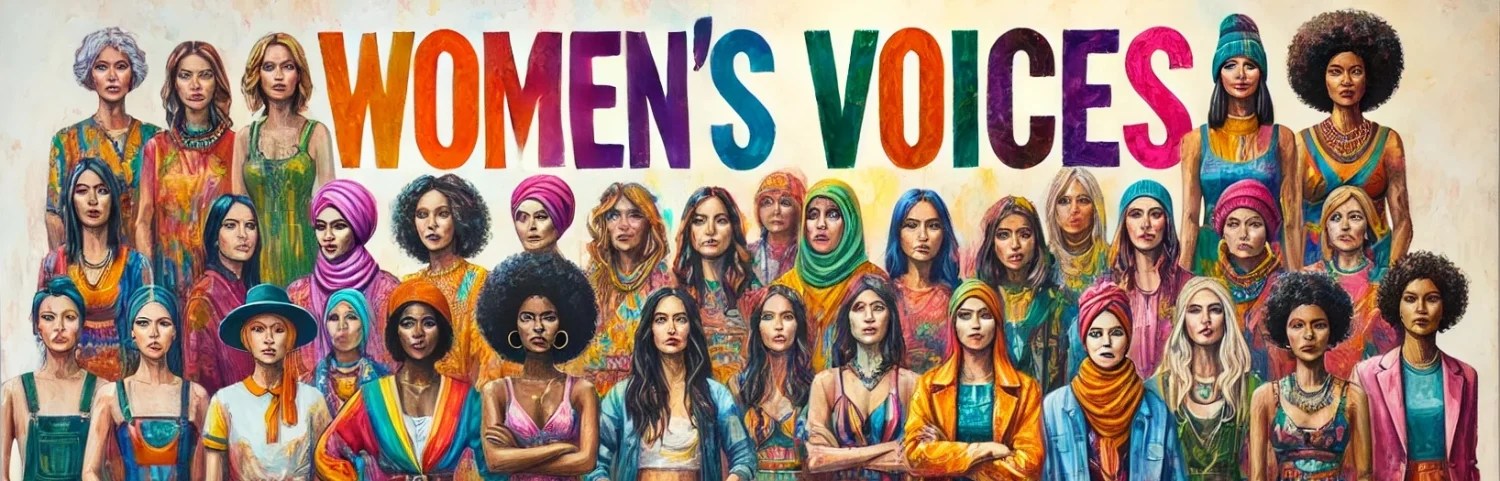

Nestled amidst the towering peaks of the Swiss Alps, life is marked by breathtaking landscapes and a deep connection to nature. For centuries, the women of this region have played vital roles in preserving its unique way of life, even as modernity and globalization have slowly started to reshape their experiences. Living in a remote and often harsh environment, Swiss Alpine women have long been known for their resilience, independence, and deep-rooted sense of community.
A Life Shaped by the Mountains
Living in the Swiss Alps is not for the faint-hearted. With steep slopes, heavy snowfall in the winter months, and long, cold seasons, daily life in these mountainous regions can be demanding. For centuries, women in Alpine communities have worked alongside their families in farming, herding, and maintaining the homesteads.
In the past, their days were consumed with physically demanding tasks such as milking cows, making cheese, tending to vegetable gardens, and helping with various other chores around the home. In rural Swiss villages, women were also responsible for weaving clothes, knitting, and preserving food for the long winters. The women of the Alps were integral to sustaining their communities, often working alongside men in ways that were invisible to outsiders but essential to the survival of their families.
However, while traditional gender roles in many parts of the world still expect women to be confined to the household, Alpine women were often expected to be as resilient and resourceful as their male counterparts. The physicality of their labor — from working in the fields to maintaining alpine huts — fostered an environment where women were rarely seen as weaker or less capable than men. In fact, the mountains themselves seemed to forge a culture of mutual respect between the sexes.
The Role of Women in Alpine Culture
Swiss Alpine women have always had a deep connection to the cultural heritage of their region. From music to traditional dress, their roles as bearers of customs have been pivotal in keeping their heritage alive. One of the most iconic symbols of Alpine life is the Swiss cowbell, which is not just a tool for herding but also an emblem of the pastoral lifestyle. For generations, it was often women who managed the cows and ensured that they were led to alpine pastures for grazing. In many villages, women take part in annual cattle drives, where cows are brought down from the high mountain meadows, an event that is both a cultural and social celebration.
Alpine women also played a key role in Switzerland’s renowned dairy industry. Traditional Alpine cheeses like Gruyère and Emmental were not only produced by men but also by women who learned the secrets of cheesemaking passed down through generations. These culinary traditions are an essential part of Alpine culture, and women’s work in the kitchen often extended beyond the home, as they took pride in sharing their produce and knowledge with the wider community.
In more remote mountain villages, women also continued to pass down folk tales and oral traditions, ensuring the survival of local myths, songs, and customs. Many Swiss women have been instrumental in preserving the distinct dialects and customs of their mountain villages, which are still celebrated in festivals and community gatherings today.
A Changing Role in Modern Times
Over the years, life for women in the Swiss Alps has evolved significantly. While the traditional values of hard work and community still remain, modernization has changed the way women live in the region. Today, many women work outside the home, in fields like education, healthcare, and hospitality, which are important parts of the local economy. In Alpine towns and villages, tourism plays a key role, and women have increasingly entered roles in business, managing hotels, ski resorts, and restaurants that cater to visitors from around the world.
The development of infrastructure has also provided women with greater opportunities for education and employment. As more women have access to higher education, they are breaking away from traditional roles in farming and husbandry, seeking careers in urban areas while still maintaining a connection to their roots. Many women now combine careers in the city with part-time work in their home villages or have created businesses that bridge the traditional and modern worlds, such as sustainable tourism ventures or artisanal cheese production.
One of the key challenges faced by women today, particularly in remote alpine communities, is the issue of depopulation. As younger generations leave for education or work opportunities in larger cities, the rural areas of the Alps have faced significant population decline, leading to a shift in how women contribute to the survival of their communities. While some women are choosing to leave the mountains for the opportunities that urban life provides, others are actively working to revitalize these areas by promoting sustainable living, organic farming, and tourism that respects local traditions.
Striking a Balance Between Tradition and Progress
Life in the Swiss Alps is a delicate balance between the past and the present. Women today navigate the intersection of traditional Alpine culture and the demands of modern life. In rural Alpine communities, women continue to embrace the values of community, family, and sustainability that have shaped their lives for generations. At the same time, they are increasingly taking part in a globalized world, embracing new technologies, business opportunities, and social changes.
Women in the Swiss Alps are also increasingly embracing the role of environmental stewards. With the growing awareness of climate change, many Alpine women are involved in efforts to protect the natural environment of the mountains, advocating for sustainable farming practices, renewable energy, and the preservation of local ecosystems. Their deep connection to the land and its history gives them a unique perspective on environmental issues, and many are taking leadership roles in shaping the future of the Alps in the face of changing climate conditions.
Conclusion
The life of women in the Swiss Alps has always been shaped by the stunning but often harsh environment they call home. For centuries, they have balanced the demands of hard physical labor, preserving cultural traditions, and raising families. Today, as the world around them changes, women in the Alps continue to honor their heritage while embracing new opportunities for growth and innovation. In doing so, they exemplify the enduring strength, resilience, and adaptability that have always been essential to life in the mountains. Whether they are preserving ancient farming techniques or launching new businesses, the women of the Swiss Alps remain a vital force in the ongoing story of this beautiful region.
 Women's voices